
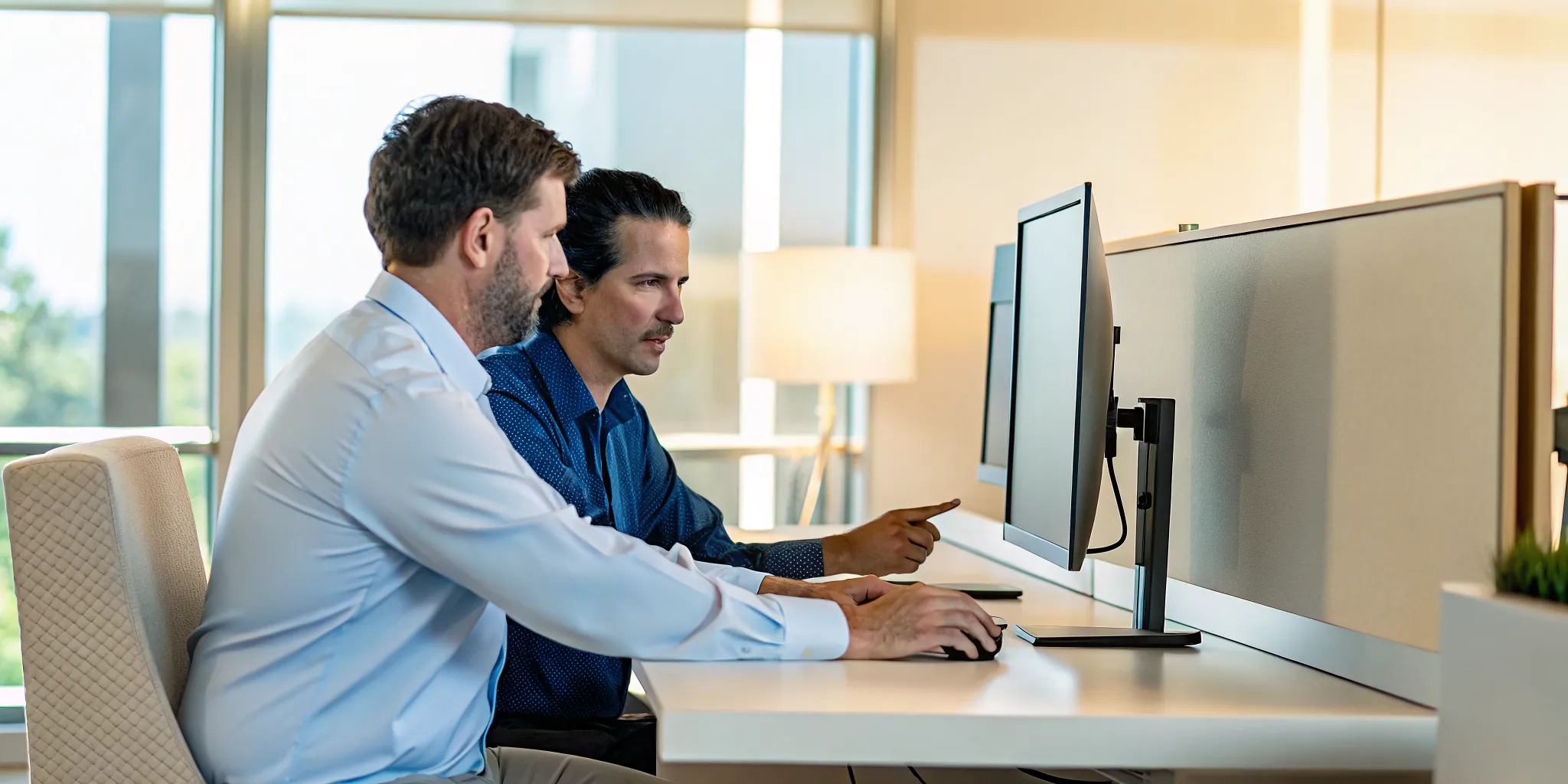
Managing a business network alone is a massive burden for a single in-house technician. When daily support tickets pile up, critical projects and system upgrades stall. Local Tampa business leaders are increasingly turning to a hybrid partnership model to resolve these operational bottlenecks. If your internal team is stretched thin, co-managed IT Tampa services can supplement your staff with 24/7 support and specialized expertise without replacing your current team. Call (866) 365-7798 to discuss your needs.
What Is Co-Managed IT and How Does It Work?
Co-managed IT Tampa is a hybrid model where businesses that already have at least one full-time internal IT staff member partner with an external managed service provider. The provider supplements the internal team with 24/7 monitoring, cybersecurity, project support, and specialized skills your staff may lack. Your internal leader stays in control of strategy and daily operations while the partner handles complex backend work, after-hours coverage, and escalations. This blended approach means your business benefits from both the institutional knowledge of your current staff and the advanced tooling of an experienced MSP.
Many Tampa businesses reach a point where their technology needs grow faster than their team can handle. Hiring more full-time staff is not the only solution. The co-managed model offers a balanced path that lets you keep your current staff while using an outside team for daily support and specialized projects.
How the Co-Managed Partnership Works
A co-managed setup is a true partnership. This model does not replace your people. Instead, it gives them extra hands and tools to do their jobs well. According to IT experts at Atlas Professional Services, co-managed IT services allow businesses to supplement their existing internal IT staff with external expertise and 24/7 support. Your lead tech can focus on local business goals while the partner handles complex backend work.
To qualify for this model, your business must have at least one full-time internal IT staff member. That person acts as the main point of contact. They know your daily workflows, while we provide the deep technical support and tools they need to succeed.
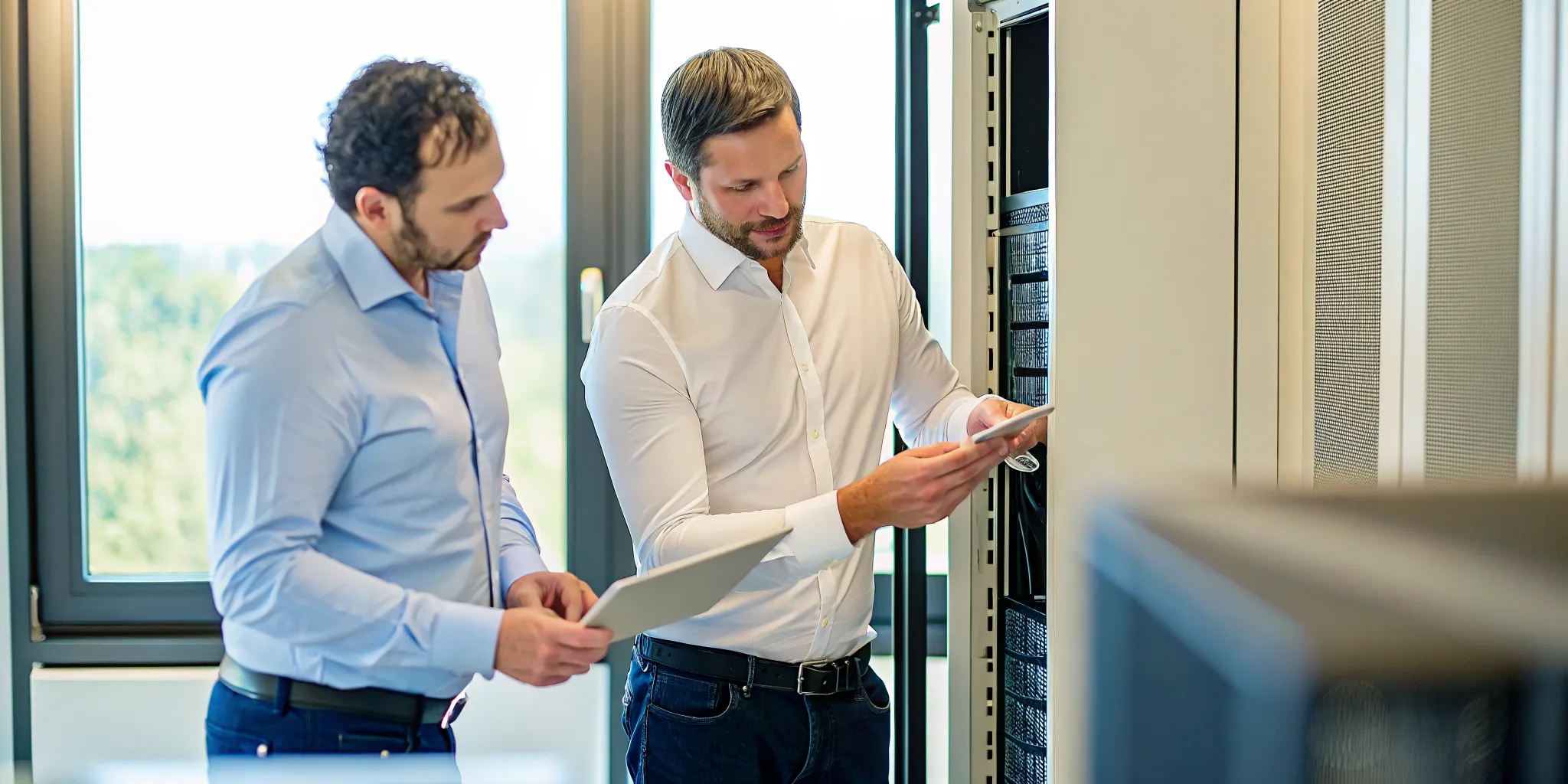
How Co-Managed IT Differs from Fully Managed Outsourcing
The main difference between co-managed IT and fully managed services is who holds the reins. In a fully managed setup, the provider runs the whole operation. In a co-managed model, your internal leader stays in control. They set the priorities, and the partner acts as a support force. This managed IT support comparison helps clarify which model fits your needs.
This division keeps your operations smooth and makes roles clear. For example, a partner might provide operating system security patching on a monthly basis, while your team manages local business software. This keeps your systems safe without taking control away from your staff. The model is highly flexible. Your business can decide which tasks to keep in-house and which ones to hand off.
When Does Your Tampa Business Need Co-Managed IT?
Your Tampa business likely needs co-managed IT when your internal team is overwhelmed by daily support tickets, you face seasonal demand spikes, or you need specialized cybersecurity expertise. Growing companies in the Tampa Bay area, where the tech sector expanded by 24% between 2017 and 2023, often reach this tipping point first.
Growing Tampa Tech Companies
The tech sector in the Tampa area grew by 24% between 2017 and 2023, according to a local market study by Miles IT. When internal staff spend all day resetting passwords or fixing printers, they cannot work on the complex projects needed to support this growth. Many owners assume co-managed IT is only for large corporations. However, a guide by Atlas Professional Services notes that small and medium-sized businesses can use these services to manage complex systems and access specialized skills.
Seasonal Business Demands
Many Florida businesses face seasonal peaks that place extra demands on their systems. Your internal team may handle daily tickets during slow months but fall behind during busy seasons. Co-managed IT lets you scale support resources up or down as needed. If your lead administrator takes vacation or gets sick, an external partner provides continuous coverage to prevent downtime.
Specialized Security and Compliance Requirements
Protecting sensitive data has become highly complex. New regulations and evolving security risks mean general IT staff may lack the specific skills needed for compliance. A co-managed partner can supply the supplemental expertise to build strong defense frameworks. They can work alongside your team to run security audits, manage firewalls, and set up secure cloud systems. External partners also bring specialized knowledge of rules for healthcare, finance, and manufacturing. Explore how cybersecurity services can strengthen your defense posture.
How Are IT Responsibilities Split Between Your Team and the MSP?
In a co-managed IT arrangement, your internal team handles level one and two help desk tickets, local application patching, daily user support, and technology strategy. The MSP manages 24/7/365 monitoring, operating system security patches, backup and disaster recovery, and level three engineering escalations.
Your internal staff remains the primary face of technology for your team. They handle daily, on-the-ground tasks because they are physically present and understand your workflows. The external provider steps in to manage complex, behind-the-scenes systems that require specialized tools and constant watch. For example, the MSP manages 24/7/365 monitoring and support to detect threats before they disrupt your business. This was highlighted by Tampa IT experts at DataTech ITP.
The table below outlines how tasks are typically shared in a healthy co-managed framework.
| Responsibility Category | Internal IT Team Role | MSP Partner Role |
|---|---|---|
| Daily Support | Handles level one and two user tickets, resets passwords, setup | Level three engineering escalation for complex failures |
| System Monitoring | Receives escalated alerts during business hours | 24/7/365 monitoring, log analysis, threat detection |
| Software Patching | Internal business applications and line-of-business software | Automated OS security patches on servers |
| Data Protection | Defines recovery objectives and identifies critical data | Maintains, monitors, and tests backup and disaster recovery systems |
| Strategic Projects | Leads technology strategy and aligns IT with business goals | High-level design, vendor vetting, complex migrations |
Key Scenarios Where Co-Managed IT Delivers the Most Value
Cloud Migration and Microsoft 365
Moving your data and software to the cloud is a massive task. Whether you are moving file shares to Microsoft 365 or migrating servers to Azure, these projects demand deep focus. Your in-house staff still needs to resolve daily computer issues. If they split their time, both support quality and migration timelines suffer. By bringing in a partner, you can assign roles to match strengths. The provider builds cloud infrastructure and handles complex data transfers while your staff keeps supporting users.
Cybersecurity Compliance and Audits
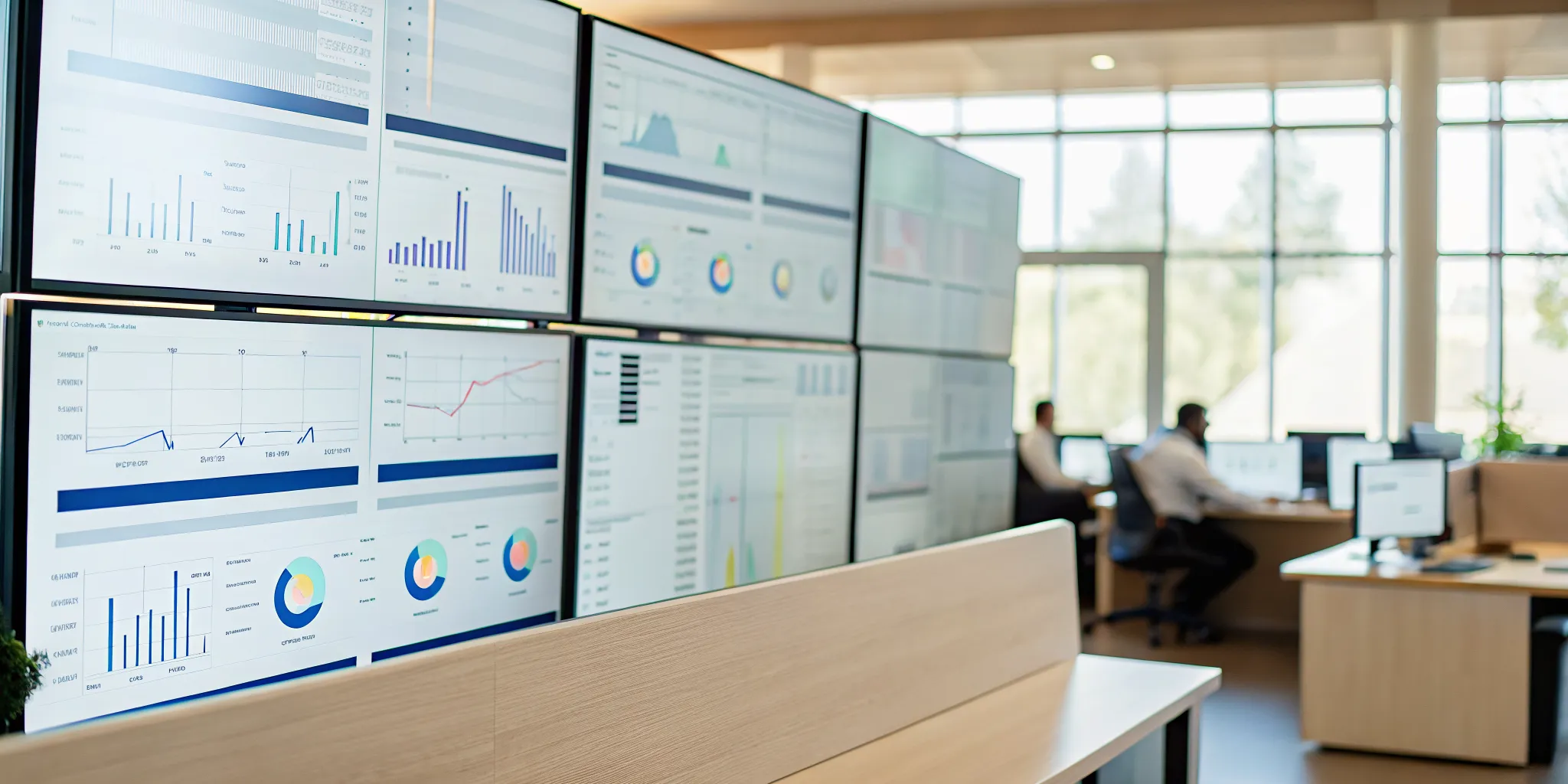
Meeting security standards is a major hurdle for growing firms. Healthcare groups must follow HIPAA rules. Manufacturing businesses face DFARS standards on defense projects. The National Institute of Standards and Technology (NIST) outlines frameworks that help secure technology setups. A co-managed IT partner can deploy these frameworks while your team manages daily user permissions. This shared approach keeps your business audit-ready without draining daily resources.
Ransomware Recovery and After-Hours Support
Cyber threats do not stop when your office closes. A ransomware attack can lock your systems at midnight. If your IT staff is small, they cannot watch the network 24 hours a day. A co-managed setup gives you 24/7 Security Operations Center (SOC) coverage. When a threat appears overnight, automated systems and remote experts can isolate affected computers instantly. Your partner also maintains functional backups and disaster recovery processes, so if a disaster strikes, both teams work together from a shared recovery playbook to minimize downtime.
How Co-Managed IT Compares to Fully Managed IT
Co-managed IT supplements an existing internal IT team with external expertise, requiring at least one full-time staff member. Fully managed IT replaces your internal team entirely, with the provider handling everything from help desk to strategy. Choose co-managed if you have staff who need backup; choose fully managed if you have no in-house technical resources.
| Feature | Co-Managed IT | Fully Managed IT |
|---|---|---|
| Internal Staff | Must have one full-time IT person | No internal IT staff needed |
| Operational Control | Shared between your team and partner | Partner handles all IT tasks |
| Primary Benefit | Extra help and specialized skills | Full outsourced IT department |
| Service Scope | Customized to fill specific gaps | Broad, all-inclusive support |
| Best Suited For | Teams needing 24/7 backup or project help | Businesses without in-house technical staff |
When Co-Managed IT Works Best
The co-managed model fits when you have a skilled IT person who is simply too busy. By partnering with an outside provider, your team can focus on big-picture goals. This approach also helps when you need 24/7 support or specialized skills. Your in-house staff cannot work around the clock. A co-managed partner monitors your systems overnight, on weekends, and during holidays. It is also an excellent option for temporary large-scale projects like cloud migrations or security audits.
Getting Started with Co-Managed IT from IGTech365
Setting up a joint technology model does not have to be hard. We build a clear plan to make sure your local team and our off-site team work well together. Our structured onboarding process ensures a smooth integration between your local team and our remote engineers. Every partnership begins with a discovery call to understand your current environment and identify the specific gaps your internal staff is facing.
- IT Assessment and Gap Analysis: We review your network health, active licenses, and safety rules to find weak spots. This shows what your local staff handles well and where they need extra help.
- Define Scope of Partnership: We document who does what. We divide responsibilities for daily help desk support, monthly updates, and strategic projects to prevent duplicate work.
- Onboard Monitoring and Tools: We install management software on your systems. Your team gets access to a central portal to view real-time network health.
- Establish Escalation Protocols: We set clear rules for handing off complex tech problems to our senior engineers, keeping fix times short.
- Steady-State Operations and Reviews: Both teams work side by side. We meet monthly to review performance reports, discuss open tickets, and plan upgrades.
Frequently Asked Questions
How much does co-managed IT typically cost in Tampa?
Co-managed IT costs vary based on network size and services needed. Most plans charge a flat monthly fee per user or device, which is often far cheaper than hiring another full-time IT worker. According to Atlas Professional Services, this model allows smaller teams to handle complex technology stacks without the high payroll costs of a larger department.
Can we keep our current IT staff?
Yes, keeping your current staff is the main point of this model. You must have at least one full-time internal IT staff member to qualify. The provider supports your team rather than replacing them. Your internal leader stays in control while the partner handles repetitive tasks and after-hours issues.
What happens during a security incident?
When a security issue occurs, our team and your staff work together using a clear response plan. We provide 24/7/365 monitoring to catch threats early, as noted by DataTech. If an incident happens, we help contain the threat and restore systems from verified backups.
How is co-managed IT different from hiring another IT person?
Hiring one person adds a single salary, one skill set, and limited working hours. Co-managed IT gives you an entire team of experts with diverse skills for a predictable monthly cost. You can quickly add more support as your needs grow without hiring delays.
Do you work with our existing tools and vendors?
Yes, we adapt to your current setup. Our team works alongside your existing vendor contracts and software tools. As the National Cybersecurity Center of Excellence explains, collaborative IT frameworks apply best practices using commercially available systems that fit your existing environment.
Ready to Strengthen Your Internal IT Team?
Leaving your internal IT staff to handle every tech issue, security threat, and project alone leads to burnout and dangerous security gaps. Partnering with an outside team gives you immediate relief, round-the-clock protection, and specialized support without the cost of hiring more full-time staff.
Ready to get started? Call (866) 365-7798 to schedule a free consultation on how co-managed IT Tampa services can support your business.